Indoor air quality (IAQ) is a critical aspect of our living environments that often goes unnoticed. While we may focus on outdoor pollution and its effects, the air inside our homes can be just as contaminated, if not more so. In fact, studies have shown that indoor air can be up to five times more polluted than outdoor air. This alarming statistic highlights the importance of understanding and improving the quality of the air we breathe daily.The significance of maintaining good indoor air quality cannot be overstated.
Poor IAQ can lead to a range of health issues, from minor irritations like headaches and fatigue to more severe conditions such as respiratory diseases and cardiovascular problems. Vulnerable populations, including children, the elderly, and individuals with pre-existing health conditions, are particularly at risk. By recognizing the factors that contribute to poor air quality—such as dust, mold, pet dander, and volatile organic compounds (VOCs)—we can take proactive steps to mitigate these risks.Moreover, the impact of indoor air quality extends beyond physical health; it can also affect our mental well-being and overall quality of life. Poor air quality has been linked to increased stress levels, decreased productivity, and even mood disorders.
Therefore, understanding the importance of IAQ is essential for creating a healthy living environment that promotes both physical and mental wellness.As we delve deeper into this topic, it becomes clear that one of the most effective ways to enhance indoor air quality is through regular maintenance of furnace filters. These filters play a pivotal role in trapping airborne pollutants and ensuring that the air circulating in our homes is clean and safe. By prioritizing filter changes and understanding their significance, we can take meaningful steps toward improving our indoor environments.
What Are Furnace Filters?
Furnace filters are essential components of heating, ventilation, and air conditioning (HVAC) systems, designed to improve indoor air quality by trapping various airborne particles. These filters serve as a barrier that prevents dust, pollen, pet dander, mold spores, and other pollutants from circulating throughout your home.Understanding the different types of furnace filters and their functions is crucial for maintaining a healthy living environment.
Types of Furnace Filters
- Fiberglass Filters: These are the most basic and economical option available. Made from layered fiberglass strands, they are effective at capturing larger particles but may not filter out smaller allergens effectively. They typically need to be replaced every 30 days.
- Pleated Filters: Constructed with a folded design that increases surface area, pleated filters can trap smaller particles than fiberglass filters. They are available in various MERV (Minimum Efficiency Reporting Value) ratings, which indicate their efficiency in capturing airborne contaminants.
Depending on usage, these filters should be changed every 1-3 months.
- High-Efficiency Particulate Air (HEPA) Filters: Known for their superior filtration capabilities, HEPA filters can capture up to 99.97% of particles as small as 0.3 microns. They are ideal for households with allergy sufferers or respiratory issues but may require specific HVAC systems to accommodate their thickness and airflow restrictions.
- Electrostatic Filters: These filters use static electricity to attract and trap particles. They can be washable or disposable and are effective at capturing both large and small particles. Regular maintenance is necessary to ensure optimal performance.
Functions of Furnace Filters
The primary function of furnace filters is to enhance indoor air quality by removing harmful pollutants from the air before it circulates through your home.Here are some key functions:
- Particle Capture: Filters trap dust, dirt, and allergens, preventing them from entering your living space.
- System Protection: By filtering out debris and contaminants, furnace filters help protect HVAC components from damage and wear, extending the lifespan of your system.
- Energy Efficiency: Clean filters allow for better airflow, enabling your heating and cooling systems to operate more efficiently. This can lead to lower energy bills and reduced strain on your HVAC system.
The Importance of Regularly Changing Furnace Filters
Regularly changing your furnace filters is not just a maintenance task; it is a vital practice that significantly impacts your indoor air quality and overall health. The importance of this simple action cannot be overstated, as it serves multiple purposes that contribute to a healthier living environment.One of the primary benefits of clean furnace filters is their ability to trap airborne pollutants.Over time, filters accumulate dust, pollen, pet dander, and other allergens. When these filters become clogged, they lose their effectiveness, allowing harmful particles to circulate throughout your home. By changing your furnace filters regularly, you ensure that these contaminants are effectively captured, leading to cleaner air for you and your family.Moreover, the health benefits associated with maintaining clean filters are profound. Poor indoor air quality can exacerbate respiratory issues such as asthma and allergies.
Individuals with pre-existing conditions may experience heightened symptoms when exposed to polluted air. Regularly replacing your furnace filters can help mitigate these risks by reducing the concentration of allergens and irritants in your home.In addition to health benefits, changing furnace filters contributes to the efficiency of your heating and cooling systems. A clogged filter forces your HVAC system to work harder to maintain the desired temperature, leading to increased energy consumption and higher utility bills. By ensuring that your filters are clean, you allow your system to operate more efficiently, which not only saves you money but also extends the lifespan of your equipment.To maximize the benefits of changing furnace filters, it is essential to establish a regular maintenance schedule.
Depending on factors such as the type of filter used and the level of pollutants in your home, you may need to change your filters every 1-3 months. For households with pets or individuals with allergies, more frequent changes may be necessary.In conclusion, the importance of regularly changing furnace filters cannot be overlooked. From improving indoor air quality and enhancing health benefits to increasing system efficiency, this simple task plays a crucial role in maintaining a safe and comfortable living environment. Make it a priority to check and replace your furnace filters regularly for a healthier home.
How Often Should You Change Your Furnace Filters?
Understanding how often to change your furnace filters is essential for maintaining optimal indoor air quality and ensuring the efficiency of your HVAC system.The frequency of filter changes can vary significantly based on several factors, including the type of filter you use, the level of pollutants in your home, and the number of occupants and pets.
General Guidelines for Filter Change Frequency
As a general rule of thumb, here are some recommended timeframes for changing different types of furnace filters:- Fiberglass Filters: These basic filters should typically be replaced every 30 days. They are less effective at trapping smaller particles, so frequent changes are necessary to maintain air quality.
- Pleated Filters: These filters offer better filtration and can last between 1 to 3 months. If you have pets or live in a dusty area, consider changing them every month.
- High-Efficiency Filters: Designed to capture smaller particles, these filters can last anywhere from 6 to 12 months. However, it’s crucial to check them regularly for any signs of clogging.
Factors Influencing Filter Change Frequency
Several factors can influence how often you should change your furnace filters:- Household Size: More occupants mean more dust, dander, and other pollutants.
If your household has multiple people or pets, you may need to change your filters more frequently.
- Allergies and Respiratory Issues: If anyone in your home suffers from allergies or respiratory conditions, consider changing your filters every month to ensure cleaner air.
- Location: Homes located in areas with high levels of dust or pollution may require more frequent filter changes. If you live near construction sites or busy roads, keep an eye on your filter's condition.
Signs It’s Time to Change Your Filters
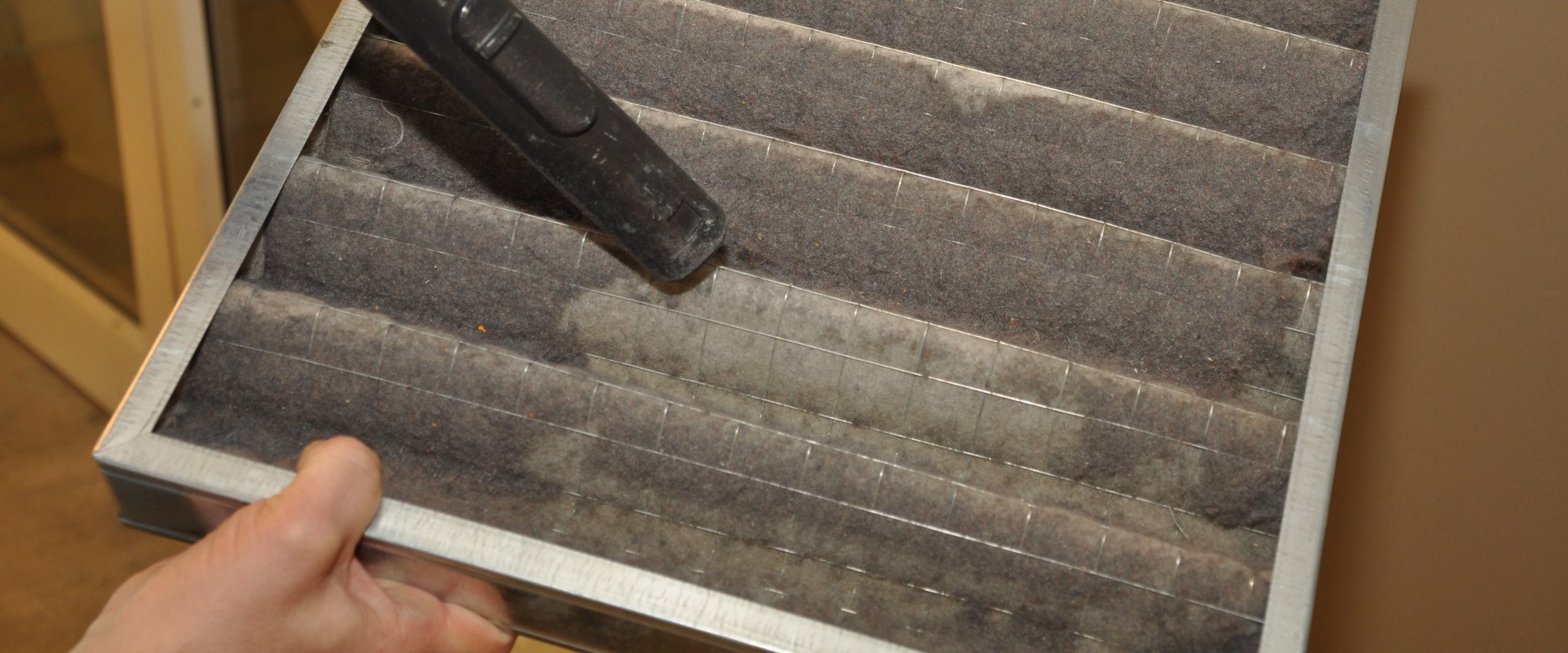
In addition to following a schedule, it’s important to be vigilant about the condition of your furnace filters. Here are some signs that indicate it’s time for a change:- Visible Dirt and Dust: If you can see a layer of dust on the filter, it’s time to replace it.
- Reduced Airflow: If you notice that your HVAC system is struggling to maintain temperature or airflow feels weak, a clogged filter may be the culprit.
- Increased Allergies or Respiratory Symptoms: A sudden increase in allergy symptoms among household members can indicate that the filter is no longer effectively trapping allergens.
Choosing the Right Furnace Filter
When it comes to maintaining optimal indoor air quality, selecting the right furnace filter is essential. With a variety of options available, understanding the different types of furnace filters can help you make an informed decision that suits your specific needs.Types of Furnace Filters
- Fiberglass Filters: These are the most basic and economical option.
They are designed to capture larger particles like dust and lint but are less effective at trapping smaller allergens such as pollen and pet dander. While they are easy to find and affordable, they may not be the best choice for households with allergy sufferers.
- Pleated Filters: Pleated filters offer a better filtration capability than fiberglass filters. Their design increases the surface area, allowing them to capture smaller particles more effectively. They are available in various MERV (Minimum Efficiency Reporting Value) ratings, which indicate their efficiency in trapping airborne particles.
A higher MERV rating means better filtration.
- High-Efficiency Particulate Air (HEPA) Filters: HEPA filters are among the most effective options available. They can trap 99.97% of particles that are 0.3 microns or larger, making them ideal for individuals with severe allergies or respiratory issues. However, they may require a more powerful HVAC system to function properly due to their dense construction.
- Electrostatic Filters: These filters use static electricity to attract and capture particles from the air. They can be reusable or disposable and often have a higher MERV rating than standard fiberglass filters.
Their ability to trap smaller particles makes them a popular choice for improving indoor air quality.
Choosing Furnace Filters Near Me
When searching for furnace filters near me, consider your specific needs and the environment in which you live. Factors such as the presence of pets, allergies, and local air quality can influence your choice:- Allergy Considerations: If you or your family members suffer from allergies, opt for pleated or HEPA filters that can effectively trap allergens.
- Home Environment: In homes with pets or high dust levels, a filter with a higher MERV rating will help maintain cleaner air.
- HVAC Compatibility: Ensure that the filter you choose is compatible with your heating and cooling system. Some systems may require specific types of filters.
Additional Steps to Improve Indoor Air Quality
While regularly changing your furnace filters is a vital step in maintaining good indoor air quality, there are several additional measures you can take to further enhance the air you breathe. By adopting a holistic approach, you can create a healthier living environment for you and your family.1.Keep Your Home Clean
Regular cleaning is essential for reducing dust, allergens, and other pollutants in your home.Here are some effective cleaning tips:
- Vacuum Frequently: Use a vacuum cleaner equipped with a HEPA filter to trap small particles effectively. Aim to vacuum at least once a week, especially in high-traffic areas.
- Dust Surfaces: Use microfiber cloths to dust surfaces, as they can capture more particles than traditional dusters. Don’t forget to dust ceiling fans, light fixtures, and baseboards.
- Wash Bedding Regularly: Wash sheets, pillowcases, and blankets in hot water weekly to eliminate dust mites and allergens.
2.Choose Natural Cleaning Products
Many conventional cleaning products contain harsh chemicals that can contribute to indoor air pollution. Opting for natural or eco-friendly cleaning products can significantly improve air quality.Many conventional cleaning products contain harsh chemicals that can contribute to indoor air pollution. Opting for natural or eco-friendly cleaning products can significantly improve air quality.Consider the following:
- Vinegar and Baking Soda: These common household items can be used for various cleaning tasks without releasing harmful fumes.
- Essential Oils: Incorporate essential oils like tea tree or lavender into your cleaning routine for their antibacterial properties and pleasant scents.
3.Invest in Air Purifiers
Air purifiers can be an excellent addition to your home, especially if you live in an area with high levels of outdoor pollution or have allergies. When selecting an air purifier, consider the following:- HEPA Filters: Look for models that use HEPA filters, which can capture 99.97% of particles as small as 0.3 microns.
- Size and Coverage: Choose an air purifier that is appropriate for the size of the room where it will be used.
Common Myths About Furnace Filters
When it comes to furnace filters, there are numerous myths and misconceptions that can lead homeowners to make poor decisions regarding their indoor air quality. Understanding the truth behind these myths is essential for maintaining a healthy living environment.Myth 1: All Furnace Filters Are the Same
One of the most common misconceptions is that all furnace filters serve the same purpose and offer the same level of filtration.
In reality, filters vary significantly in terms of material, efficiency, and lifespan. For instance, fiberglass filters are basic and primarily capture larger particles, while pleated filters can trap smaller allergens like dust mites and pollen. High-efficiency particulate air (HEPA) filters are even more effective but may not be compatible with all HVAC systems. Choosing the right filter for your specific needs is crucial for optimal air quality.
Myth 2: Changing Filters Is Optional
Some homeowners believe that changing furnace filters is optional or can be done infrequently.
This is a dangerous misconception. Clogged or dirty filters can severely restrict airflow, leading to increased energy consumption and potential damage to your heating system. Regularly changing your filter—typically every 1-3 months—ensures that your HVAC system operates efficiently and maintains good air quality.
Myth 3: Higher MERV Ratings Always Mean Better Filters
The Minimum Efficiency Reporting Value (MERV) rating indicates a filter's ability to capture particles of different sizes. While higher MERV ratings generally mean better filtration, they can also restrict airflow if your HVAC system isn't designed for them.
It's essential to balance filtration efficiency with your system's specifications to avoid unnecessary strain on your equipment.
Myth 4: You Only Need to Change Filters During Winter
Another common belief is that furnace filters only need changing during the heating season. However, this is misleading. Your HVAC system operates year-round, whether for heating or cooling. Therefore, regular filter changes should be part of your ongoing maintenance routine throughout the entire year.
Myth 5: Expensive Filters Are Always Better
While it's true that some high-end filters offer superior filtration capabilities, not all expensive options are necessary for every household.
Assessing your specific needs—such as allergies or pets—can help you choose a filter that provides adequate protection without overspending.By debunking these common myths about furnace filters, homeowners can make informed decisions that enhance their indoor air quality and ensure their HVAC systems function efficiently. Understanding the facts about furnace filters empowers you to take control of your home's air quality and health.
FAQs About Furnace Filters and Indoor Air Quality
When it comes to maintaining a healthy indoor environment, many homeowners have questions about furnace filters and their impact on air quality. Below are some frequently asked questions that can help clarify common concerns.What is the purpose of a furnace filter?
A furnace filter is designed to trap dust, allergens, and other particles from the air that circulates through your heating and cooling system. By filtering out these contaminants, the filter helps improve indoor air quality and ensures that your HVAC system operates efficiently.How often should I change my furnace filter?
The frequency of changing your furnace filter depends on several factors, including:- The type of filter you use (standard fiberglass filters need changing every 1-3 months, while high-efficiency filters may last 6-12 months).
- The number of pets in your home (more pets typically mean more dander and hair).
- Your location (areas with higher pollution levels may require more frequent changes).
- Allergy sufferers may benefit from changing filters more often to reduce allergens.
What happens if I don’t change my furnace filter?
If you neglect to change your furnace filter regularly, it can become clogged with dust and debris.This not only reduces the efficiency of your HVAC system but can also lead to:
- Increased energy bills due to the system working harder.
- Poor indoor air quality as pollutants circulate freely.
- Potential damage to your HVAC system, leading to costly repairs or replacements.
Can I clean my furnace filter instead of replacing it?
While some filters are designed to be washable, most standard filters are not. Cleaning a non-washable filter can damage it and reduce its effectiveness. Always check the manufacturer's instructions before attempting to clean a filter.Where can I find furnace filters near me?
You can find furnace filters near me at local hardware stores, home improvement centers, or online retailers. Be sure to check the size and type of filter required for your specific HVAC system before purchasing.By understanding these common questions about furnace filters and their role in maintaining good indoor air quality, you can take proactive steps to ensure a healthier living environment for you and your family.Conclusion: The Impact of Regular Filter Changes on Your Health and Home Environment
In summary, the significance of regularly changing your furnace filters cannot be overstated.The air quality within our homes directly affects our health and overall well-being. By ensuring that your furnace filters are clean and functioning optimally, you are taking a proactive step towards creating a healthier living environment.As we have discussed, furnace filters serve as the first line of defense against airborne pollutants such as dust, pollen, and pet dander. When these filters become clogged, they not only fail to trap harmful particles but can also contribute to a range of health issues, particularly for those with allergies or respiratory conditions. Regularly changing your filters helps to mitigate these risks, allowing for cleaner air circulation throughout your home.Moreover, maintaining clean filters enhances the efficiency of your heating and cooling systems.
A well-functioning HVAC system not only provides comfort but also reduces energy consumption, leading to lower utility bills. This is particularly important in regions where heating and cooling costs can be significant. By investing a little time in filter maintenance, you can save money in the long run while ensuring that your home remains a comfortable sanctuary.It is also essential to recognize that the frequency of filter changes may vary based on individual circumstances. Factors such as the number of occupants in your home, the presence of pets, and local air quality can all influence how often you should replace your filters.
Therefore, it is advisable to monitor the condition of your filters regularly and adjust your maintenance schedule accordingly.In conclusion, prioritizing regular furnace filter changes is a simple yet effective way to enhance indoor air quality and promote better health for you and your family. By taking this small but impactful step, you are not only improving your immediate environment but also investing in long-term wellness. Remember, clean air is essential for a healthy life—make it a priority in your home.