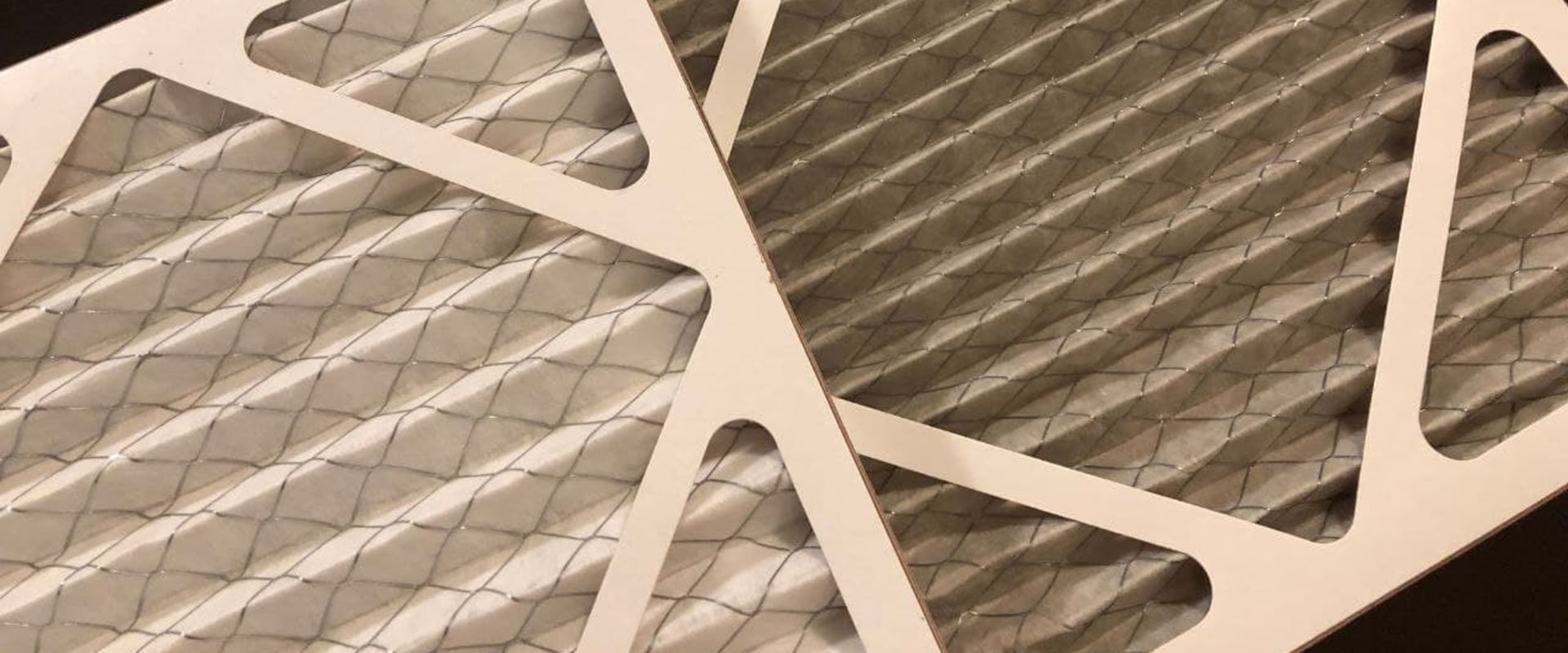
Furnace filters play a crucial role in the overall performance of your heating system and the quality of air you breathe indoors. At their core, these filters are designed to trap dust, allergens, and other particulates that can circulate through your home. By doing so, they not only help maintain a clean environment but also protect your furnace from potential damage caused by dirt and debris buildup. Understanding the various types of furnace filters available and their specific functions is essential for making an informed choice that aligns with your needs.There are several types of furnace filters, each with unique characteristics and benefits.
The most common types include fiberglass filters, pleated filters, HEPA filters, and electrostatic filters. Fiberglass filters are typically the least expensive option and are effective at capturing larger particles. However, they may not be as efficient in filtering out smaller allergens. On the other hand, pleated filters offer a greater surface area for trapping particles and can capture finer dust and pollen, making them a popular choice among homeowners.
HEPA filters are known for their superior filtration capabilities, capturing up to 99.97% of particles as small as 0.3 microns, which is ideal for those with allergies or respiratory issues.The importance of selecting the right furnace filter cannot be overstated. A high-quality filter not only enhances indoor air quality but also improves the efficiency of your heating system. When a filter is clogged or dirty, it forces the furnace to work harder to circulate air, leading to increased energy consumption and higher utility bills. Regularly changing or cleaning your furnace filter can extend the lifespan of your system and reduce maintenance costs over time.
Therefore, understanding what furnace filters are available and how they function is vital for ensuring a comfortable and healthy living environment.
Types of Furnace Filters
When it comes to selecting the right furnace filter, understanding the different types available is crucial. Each type of filter has its own unique characteristics, efficiency ratings, and ideal applications. Below, we explore the most common types of furnace filters to help you make an informed choice.Fiberglass Filters
Fiberglass filters are among the most basic and affordable options on the market. Made from layered fiberglass strands, these filters are designed to capture larger particles such as dust and lint.While they are effective at protecting your furnace from debris, they typically have a lower Minimum Efficiency Reporting Value (MERV) rating, usually between 1 and 4.This means they may not be as effective at trapping smaller particles like pollen or pet dander.
Pleated Filters
Pleated filters are a popular choice for homeowners seeking a balance between cost and efficiency. These filters feature a larger surface area due to their pleated design, allowing them to capture more particles compared to fiberglass filters. With MERV ratings ranging from 5 to 13, pleated filters can effectively trap allergens and other fine particles, making them suitable for households with pets or allergy sufferers. They also tend to last longer than fiberglass filters, requiring less frequent replacement.HEPA Filters
High-Efficiency Particulate Air (HEPA) filters are renowned for their superior filtration capabilities.Capable of capturing up to 99.97% of particles as small as 0.3 microns, HEPA filters are ideal for individuals with severe allergies or respiratory issues. However, they often require a specialized furnace system due to their dense construction, which can restrict airflow if not properly matched with the furnace's specifications. If you’re considering a HEPA filter, consult with a professional to ensure compatibility.
Washable Filters
For those looking for an eco-friendly and cost-effective option, washable filters present an attractive alternative. These reusable filters can be cleaned and reinstalled multiple times before needing replacement.Typically made from materials like aluminum or synthetic fibers, washable filters can capture a decent amount of dust and allergens. However, their efficiency may not match that of disposable options, so it’s essential to assess your specific needs before opting for this type.In summary, choosing the right furnace filter involves understanding the various types available and their respective benefits. Whether you prioritize cost-effectiveness with fiberglass filters or seek high-efficiency options like HEPA filters, knowing your options will help you find furnace filters near me that best suit your home’s air quality needs.
MERV Ratings Explained
The Minimum Efficiency Reporting Value, commonly known as MERV , is a crucial metric that helps consumers understand the effectiveness of air filters, including furnace filters. Developed by the American Society of Heating, Refrigerating and Air-Conditioning Engineers (ASHRAE), MERV ratings range from 1 to 16, with higher numbers indicating a greater ability to capture airborne particles.Understanding MERV ratings is essential for selecting the right furnace filter for your home.Here’s a breakdown of how MERV ratings work:
- MERV 1-4: Filters in this category are typically fiberglass filters that capture larger particles such as dust and pollen. They are not very effective at trapping smaller particles and are often used in residential settings where air quality is not a primary concern.
- MERV 5-8: These filters are more efficient and can capture smaller particles, including mold spores and pet dander. They are suitable for homes with pets or individuals with allergies.
- MERV 9-12: Filters rated in this range can trap even finer particles, such as smoke and smog. They are ideal for households that prioritize air quality and have members with respiratory issues.
- MERV 13-16: These high-efficiency filters can capture very small particles, including bacteria and viruses.
They are often used in hospitals and commercial buildings but can also be beneficial in residential settings where air quality is critical.
- Allergies and Health Concerns: If you or your family members suffer from allergies or respiratory issues, opting for a filter with a higher MERV rating (MERV 9 or above) can significantly improve indoor air quality.
- Furnace Compatibility: Not all furnaces can handle high-MERV filters due to increased airflow resistance. Check your furnace’s specifications or consult with a professional to ensure compatibility.
- Frequency of Replacement: Higher-rated filters may need to be replaced less frequently due to their efficiency, but they can also be more expensive. Weigh the cost against the benefits of improved air quality.
Factors to Consider When Choosing a Furnace Filter
When it comes to selecting the right furnace filter, several critical factors come into play that can significantly affect both your indoor air quality and the efficiency of your heating system.Understanding these factors will empower you to make an informed choice that aligns with your specific needs.
1.Air Quality Needs
Your primary consideration should be the air quality in your home. If you live in an area with high levels of dust, pollen, or other airborne pollutants, opting for a filter with a higher MERV (Minimum Efficiency Reporting Value) rating is advisable. Filters with MERV ratings between 8 and 13 are effective at capturing smaller particles, including pet dander and mold spores, which can be particularly beneficial for households with allergy sufferers.2.Allergies and Respiratory Conditions
If anyone in your household suffers from allergies or respiratory issues, such as asthma, it’s crucial to choose a filter that can effectively trap allergens. HEPA (High-Efficiency Particulate Air) filters are designed to capture 99.97% of particles that are 0.3 microns or larger, making them an excellent choice for improving air quality.However, ensure that your furnace is compatible with HEPA filters, as they can restrict airflow if not properly matched.
3.Specific Household Conditions
Consider any unique conditions in your home that may influence your filter choice:- Pets: If you have pets, look for filters specifically designed to capture pet hair and dander.
- Smoking: For homes where smoking occurs, activated carbon filters can help reduce odors and harmful particles.
- Humidity Levels: In areas with high humidity, filters that resist mold growth are essential.
4.Filter Maintenance and Replacement
The ease of maintenance is another factor to consider. Some filters require more frequent changes than others. A good rule of thumb is to check your filter every month and replace it at least every three months. However, if you notice a significant buildup of dust or if you have pets, you may need to change it more often.5.Cost vs.
QualityWhile it might be tempting to opt for the cheapest option available, investing in a higher-quality filter can save you money in the long run by improving your furnace's efficiency and extending its lifespan. Consider the balance between cost and quality when making your selection.By taking these factors into account when choosing furnace filters near me, you can ensure that you select a product that not only meets your air quality needs but also enhances the overall performance of your heating system.
Where to Buy Furnace Filters Near Me
Finding the right furnace filters near me can be a straightforward process if you know where to look. Whether you prefer shopping locally or online, there are numerous options available to ensure you get the best filter for your heating system.Local HVAC Suppliers
Your first stop should be local HVAC suppliers. These businesses often carry a wide range of furnace filters, including various sizes and types.Here are some tips for finding and choosing the right local supplier:
- Search Online: Use search engines to find HVAC suppliers in your area. Typing "buy furnace filters near me" will yield a list of nearby stores.
- Check Reviews: Look for customer reviews on platforms like Google or Yelp to gauge the quality of service and product selection.
- Visit in Person: If possible, visit the store to see the products firsthand. This allows you to ask questions and get expert advice from staff.
Home Improvement Stores
Major home improvement chains also stock a variety of furnace filters. These stores typically have a dedicated section for HVAC supplies, making it easy to compare different brands and types.When shopping at these locations:
- Look for Sales: Keep an eye out for promotions or discounts that can help you save money on your purchase.
- Ask for Recommendations: Store employees can often provide insights into which filters are most effective based on customer feedback.
Online Options for Furnace Filters
If you prefer the convenience of shopping from home, there are numerous online retailers that specialize in furnace filters. Here’s how to navigate online options effectively:- Compare Prices: Websites like Amazon, Home Depot, and specialized HVAC retailers allow you to compare prices easily. Make sure to factor in shipping costs when evaluating total expenses.
- Read Product Descriptions: Pay attention to filter specifications such as MERV ratings, dimensions, and material types to ensure compatibility with your furnace.
- Check Return Policies: Before making a purchase, review the return policy in case the filter does not fit or meet your expectations.
How Often Should You Change Your Furnace Filter?
Understanding how often to change your furnace filter is crucial for maintaining optimal air quality and ensuring your heating system operates efficiently. The frequency of replacement can vary significantly based on several factors, including the type of filter you use, the specific conditions in your home, and your lifestyle.General Guidelines for Filter Replacement
As a general rule of thumb, it is recommended to check your furnace filter every month, especially during peak heating seasons.Here are some guidelines based on filter types:
- Fiberglass Filters: These are the most basic and least expensive filters. They should be replaced every 30 days.
- Pleated Filters: Offering better filtration than fiberglass, pleated filters can last up to 90 days. However, checking them monthly is still advisable.
- HEPA Filters: High-Efficiency Particulate Air (HEPA) filters can last up to six months or longer, depending on usage and air quality.
Factors Influencing Replacement Frequency
Several factors can affect how often you need to change your furnace filter:- Household Size: Larger households with more occupants typically generate more dust and allergens, necessitating more frequent changes.
- Pets: If you have pets, their dander and hair can clog filters quickly. In such cases, consider changing your filter every 30-60 days.
- Allergies or Respiratory Issues: If anyone in your home suffers from allergies or respiratory problems, more frequent changes may be beneficial to maintain better air quality.
- Location: Homes in dusty or high-pollen areas may require more frequent filter changes due to increased particulate matter in the air.
Signs of a Dirty Furnace Filter
Recognizing when your furnace filter needs changing is essential for maintaining efficiency.Here are some signs that indicate a dirty filter:
- Reduced Airflow: If you notice that your heating system is struggling to push air through the vents, it may be time for a filter change.
- Increased Energy Bills: A dirty filter forces your furnace to work harder, leading to higher energy costs.
- Visible Dust Accumulation: If you see dust accumulating around vents or on furniture more than usual, it could be a sign that your filter is clogged.
- Mold Growth: If you spot mold on or around the filter, it’s crucial to replace it immediately to prevent health issues.
Common Mistakes When Choosing Furnace Filters
Choosing the right furnace filter is crucial for maintaining optimal air quality and ensuring your heating system operates efficiently. However, many homeowners make common mistakes that can lead to poor performance and increased costs. Here are some of the most frequent errors to avoid when selecting furnace filters.- Ignoring MERV Ratings: One of the biggest mistakes is overlooking the Minimum Efficiency Reporting Value (MERV) rating. This rating indicates how effectively a filter can capture particles.
Filters with a higher MERV rating trap smaller particles but may restrict airflow if your system isn’t designed for them. Always check your furnace’s specifications before opting for a high-MERV filter.
- Choosing the Wrong Size: Filters come in various sizes, and using one that doesn’t fit properly can lead to air leaks, reducing efficiency. Measure your existing filter or consult your furnace manual to ensure you select the correct dimensions.
- Neglecting Regular Replacement: Some homeowners underestimate the importance of changing filters regularly. A clogged filter can strain your furnace, leading to higher energy bills and potential breakdowns.
Set a reminder to check and replace your filter every 1-3 months, depending on usage and type.
- Opting for Low-Cost Filters: While it might be tempting to choose cheaper options, low-quality filters often fail to capture dust and allergens effectively. Investing in a better filter can improve indoor air quality and protect your HVAC system in the long run.
- Not Considering Allergies or Health Issues: If you or your family members suffer from allergies or respiratory issues, it’s essential to select filters designed to capture allergens like pollen, pet dander, and mold spores. Look for HEPA filters or those specifically rated for allergen removal.
Conclusion: Making an Informed Choice on Furnace Filters
In conclusion, selecting the right furnace filter is crucial for maintaining not only the efficiency of your heating system but also the overall air quality in your home.As we have explored throughout this guide, the variety of furnace filters available can be daunting, but understanding their differences and functionalities can empower you to make an informed choice.To recap, here are the key factors to consider when searching for furnace filters near me:
- Filter Type: Whether you opt for a disposable fiberglass filter, a pleated filter, or a more advanced HEPA filter, each type has its own advantages and limitations. Assess your specific needs based on your home environment and any allergies or sensitivities.
- MERV Rating: The Minimum Efficiency Reporting Value (MERV) rating is essential in determining how effectively a filter can capture airborne particles. Higher MERV ratings indicate better filtration but may also restrict airflow if not compatible with your system.
- Size and Fit: Always ensure that the filter you choose fits your furnace properly. An ill-fitting filter can lead to reduced efficiency and potential damage to your heating system.
- Maintenance and Replacement: Regularly checking and replacing your furnace filter is vital.
Depending on usage and the type of filter, this could range from every month to every six months. Keeping track of this schedule will help maintain optimal performance.
- Cost vs. Quality: While it may be tempting to choose the cheapest option available, investing in a high-quality filter can save you money in the long run by improving energy efficiency and extending the life of your furnace.
Don’t hesitate to consult with HVAC professionals if you have questions or need assistance in making the best choice for your home.